As the media landscape continues to evolve, businesses face a familiar question with new complexity: should your marketing strategy focus on digital media, traditional media, or a blend of both?
In 2025, this decision isn’t just about platforms. It’s about how your customers discover, evaluate, and engage with your brand. Understanding the strengths and limitations of each channel will help you make strategic choices that support your goals and your budget.
Understanding the Core Differences
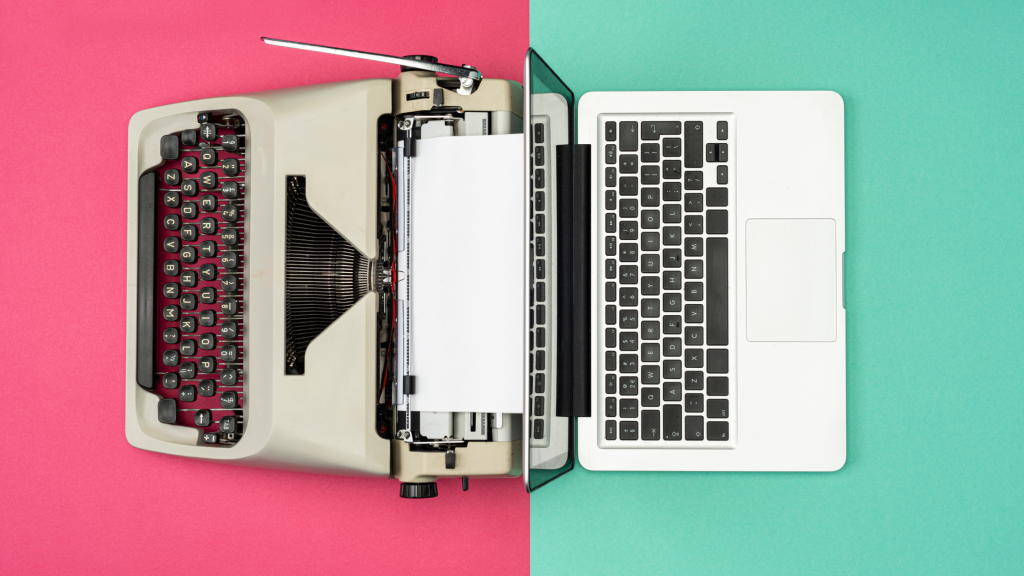
Traditional media includes long-established channels like television, radio, print, direct mail, and billboards. These formats reach broad audiences and are particularly useful for building brand awareness and credibility over time.
Digital media, on the other hand, encompasses online channels like social media, search engine marketing, email campaigns, video ads, and display banners. These channels offer precise targeting, real-time metrics, and the ability to personalize messaging based on user behavior.
Each has its role. But the right mix depends on your audience, objectives, and available resources.
The Case for Traditional Media
Traditional advertising still plays a significant role for certain demographics and industries. Television remains highly effective for reaching older audiences or for regional awareness campaigns. Radio can provide repetitive exposure in local markets. Print publications still carry authority, especially in B2B sectors or niche communities.
Traditional media is also useful for long-term brand-building efforts, where emotional impact and storytelling are prioritized over immediate conversion.
However, traditional campaigns often require larger budgets and lack the detailed tracking capabilities that digital media provides.
The Case for Digital Media
Digital platforms continue to dominate in terms of accessibility, targeting, and return on investment. With tools like Google Ads and Meta Business Suite, brands can control who sees their content, when, and how often.
Digital campaigns allow for measurable results. You can track clicks, conversions, engagement, and customer behavior in real time. That data informs smarter decisions and helps optimize future campaigns.
Digital also allows businesses to pivot quickly. If a campaign underperforms, it can be adjusted or replaced without reprinting materials or negotiating airtime.
Looking for ideas on how to expand your digital strategy? Check out this breakdown of how short-form video is changing the game.
When to Use Both: Integrated Media Strategies
Some of the most successful marketing campaigns combine digital and traditional media into a cohesive, multi-channel approach. A billboard campaign can raise awareness, while a retargeted ad on Facebook encourages online action. A direct mail postcard can reinforce a brand message that was first introduced through a YouTube pre-roll.
Integrated strategies allow you to meet customers wherever they are in the buying journey — whether that’s scrolling on social media, driving past a digital billboard, or watching local TV. Consistency across platforms reinforces your brand and builds trust.
Want to better understand how media channels affect different stages of the customer journey? This guide breaks it down with helpful examples.
Key Factors to Consider in 2025
If you’re deciding between digital and traditional channels this year, consider the following:
- Audience behavior: Where does your ideal customer spend their time?
- Campaign goals: Are you aiming for brand awareness, lead generation, or conversions?
- Budget allocation: Can you afford to split resources or should you focus efforts on one area?
- Measurability: Do you need detailed reporting or are you prioritizing broad visibility?
As more consumers adopt connected TV, voice search, and AI-driven platforms, expect digital to gain even more traction in the coming years. Still, traditional media retains its value when used strategically.
Need Help Choosing the Right Channel?
Not sure which platform best supports your campaign goals? The team at Quantus Creative helps businesses align their strategy with audience behavior and budget priorities. Whether you need a full-service digital campaign or want to explore how traditional media fits into your brand story, we can help you choose with confidence.
Start building a media strategy that works for 2025. Reach the right people, at the right time, on the right channel.