In a sea of influencer marketing campaigns, one truth is becoming increasingly clear: the most overlooked marketing asset companies have isn’t external creators—it’s their own people.
Employees are no longer just brand ambassadors behind the scenes. They are front-facing, highly relatable voices who shape perception, trust, and shareability. Internal influencers—people who work inside your organization but have personality, credibility, or simply camera presence—can become the difference between marketing that feels manufactured and marketing that moves.
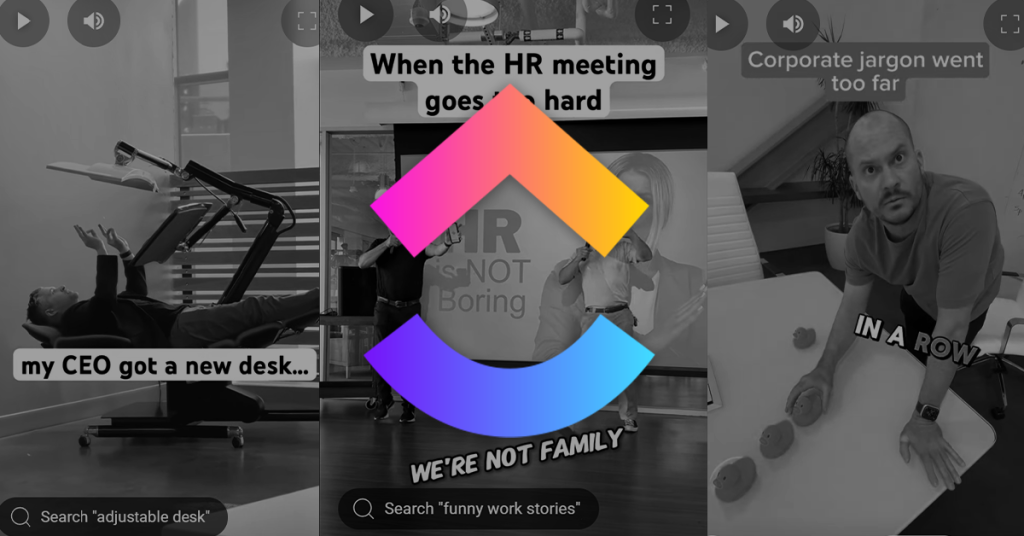
ClickUp figured this out early. Their viral “ClickUp Comedy” content is a masterclass in letting your culture speak for itself. And their success holds critical lessons for any company ready to turn its people into the platform.
What ClickUp Got Right: Turning the Team Into a Creative Engine
ClickUp is a project management platform. But they don’t just market with tutorials or explainer videos. They tell jokes. They recreate The Office-style skits. They poke fun at corporate life. All of it comes from within their actual team.
In doing this, they struck gold:
- One video, “Day in the Life of a ClickUp PM,” racked up over 2 million views in under a week.
- Their internal creators now have their own followings, increasing visibility and trust.
- Prospects often cite these videos as a reason they reached out—because they felt they already knew the company.
Instead of outsourcing relatability, ClickUp leaned in-house—and the audience leaned in.
Why Internal Influencers Work in 2025
There’s a growing skepticism of polished marketing. Consumers—and B2B buyers—have grown weary of staged testimonials and generic value props. What they crave is honesty. Real people. And above all, trust.
According to Edelman’s 2024 Trust Barometer, employees are now trusted more than executives, journalists, or influencers when it comes to what a company is really like. That means your most valuable content may already be in the Slack channel—not in your ad budget.
How to Activate Your Own Team
Let’s get tactical. If you want to build an internal influencer strategy, here’s how to do it like ClickUp:
1. Spot the Talent Early
Don’t force everyone to get on camera. Identify team members who:
- Enjoy content creation or humor
- Already post on TikTok, LinkedIn, or Instagram
- Represent your culture authentically
Give Permission to Be Themselves
ClickUp’s magic is in tone. It’s not forced. It’s not brand-policed. Set creative boundaries, yes—but let your team play within them.
Support Creatively and Technically
Provide:
- Access to a simple video editor (CapCut, Descript)
- Templates or brand assets (logos, colors, music snippets)
- A low-stakes publishing path (start on internal Slack or a pilot TikTok account)
Shine a Spotlight Publicly
Don’t just let these videos live in isolation. Share them on your company’s social, your website, and in recruiting materials. Celebrate the people behind them.
Measure More Than Views
Track:
- Increased branded search volume
- Direct traffic upticks post-viral video
- Referral traffic from employee socials
- Mentions in sales conversations or intake forms
What to Watch Out For
Not every internal influencer campaign goes smoothly. Here’s what to watch:
- Tone drift: Too casual or off-brand content can confuse your audience. Set baseline guidelines.
- Burnout: Don’t let internal creators feel used. Recognize and reward their contributions.
- Overengineering: The moment content becomes over-reviewed, you kill the magic. Keep the feedback loop short.
More Than Marketing: Culture as Content
ClickUp didn’t just make funny videos. They created a cultural artifact. Their videos reflect a workplace that’s smart, fun, and a little self-deprecating.
That is marketing.
In an age where top talent shops for culture as much as salary, showcasing your team—flaws, quirks, inside jokes and all—is a strategic advantage.
Want to show off your client results? Great. Want to land more B2B contracts? Even better. But if people like your people, they’ll believe in your brand more deeply than any paid campaign could ever deliver.
Three Thought Starters to Leave With
- What would happen if you handed your marketing intern a camera for a week?
- If someone judged your company only by your social videos, what would they believe?
- Are your employees invisible online—or are they your brand’s next breakout stars?
Let your team be the story. That’s what ClickUp did.
And people noticed.